

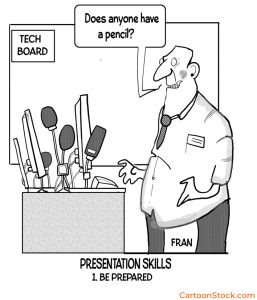
Cartoons in presentations? It might sound risky. After all, nobody wants to undermine their credibility with a joke that doesn’t land or an image that feels out of place. But when used thoughtfully, cartoons can transform a dull presentation into an engaging, memorable experience without sacrificing professionalism.
In this guide, we’ll walk you through how to use cartoons in corporate presentations with confidence. You’ll learn when cartoons enhance your message, what styles work best in professional settings, and how to avoid common mistakes that make things awkward (or worse).
Why People Worry About Using Cartoons in Presentations
You’re not alone if the idea of using cartoons in a high-stakes presentation makes you hesitate. Many professionals worry that cartoons might:
-
Come across as childish or too informal.
-
Undermine the seriousness of the message they’re trying to deliver.
-
Alienate or offend parts of their audience if the humor doesn’t land.
-
Distract from key points rather than reinforce them.
These are valid concerns. But they’re all manageable with a few best practices and a little strategic thinking.
How to Use Cartoons in Presentations the Right Way
Know Your Audience
This is the golden rule of communication, and it’s even more important when humor is involved. Think about:
-
Who’s in the room? Senior executives may appreciate a subtle, witty cartoon that reinforces your point, while a creative team might enjoy something a little more playful.
-
What’s the tone of the event? A formal shareholder meeting calls for restraint. A team-building session allows more flexibility.
If you wouldn’t crack a joke with this audience over coffee, you probably shouldn’t do it in your presentation.
Choose the Right Cartoon Style
Cartoons are a versatile communication tool, and the style you choose should align with your message and audience. It’s not about one style being better than another – it’s about finding the right fit for the tone and context of your presentation.
When selecting a cartoon:
-
Look for clean, professional artwork that reflects the tone you want to convey.
-
Choose humor that reinforces your message, helping make complex ideas clearer and more memorable.
-
Match the cartoon style to your audience. A subtle, editorial cartoon may work well for a senior leadership meeting, while a more playful comic strip might be perfect for a team workshop.
See also:
The Best Cartoon Styles for Different Business Presentation Topics
Use Cartoons in Presentations to Clarify, Not Distract
Cartoons are a tool to enhance clarity, not just to get a laugh. Think of them as visual metaphors that help your audience grasp complex ideas more easily.
For example:
-
A cartoon about a person juggling tasks can visually reinforce a point about project management challenges.
-
A cartoon illustrating a “communication breakdown” can lighten the mood before diving into a serious discussion on team dynamics.
Avoid inserting a cartoon just because it’s funny. If it doesn’t directly support your message, skip it.
Keep Humor Inclusive and Safe
Corporate presentations aren’t the place for edgy humor or anything that could be perceived as divisive. Keep your cartoons:
-
Inclusive: No inside jokes or references that only part of your audience will understand.
-
Safe for work: Steer clear of anything political, religious, or culturally sensitive.
-
Tone-appropriate: Light, clever humor works best in professional settings.
Placement Matters
Where you position your cartoon in the presentation can make a huge difference:
-
Opening slide? Yes! A cartoon makes a great icebreaker and can instantly relax the room. (Check out Using Humor in Business: The PowerPoint Icebreaker.)
-
Complex data slide? Probably not. You don’t want to distract from important numbers or analytics.
-
Section transitions? Perfect. Cartoons can provide a moment of levity as you shift gears.
Be strategic. Use cartoons to add rhythm and variety to your presentation without derailing your flow.
Real-World Example: Cartoons That Add Credibility
An executive leadership coach was preparing a presentation on change management for a room full of skeptical senior leaders. She used a simple, clever cartoon showing a medieval king standing beside an inventor holding a machine gun, saying, “I don’t have time for a new weapon—I’m too busy fighting a war!”
The cartoon got a chuckle but, more importantly, it made her point: Leaders often resist innovation because they’re too focused on the status quo.
Result? The room leaned in. The message hit home.
For more insights on using humor to engage executives, see Transforming Executive Coaching with Humor and Insight.
Common Mistakes to Avoid
Even with the best intentions, it’s easy to stumble. Here are the pitfalls to steer clear of:
-
Using free clip art or random web cartoons without a license. It looks unprofessional and can land you in legal trouble.
-
Overloading slides with too much humor. One well-placed cartoon is far more effective than a joke on every slide.
-
Forgetting your global audience. What’s funny in one culture might be confusing, or offensive, in another.
Final Tips & Resources
Cartoons can be a powerful communication tool, adding clarity, warmth, and engagement to your presentations. Used wisely, they enhance your professionalism, rather than diminish it.
See also:
How to Use Humor in Presentations to Keep Your Audience Engaged
Or head back to our guide: Using Cartoons in Presentations & Corporate Communication
 If you enjoyed this post, sign up and receive a hand-picked selection of great cartoons straight to your inbox every week!