

Part of our UX Design with Cartoons guide
The Missing Ingredient in Most Digital Experiences
Digital interfaces are efficient. They’re scalable. They can serve millions of users simultaneously without breaking a sweat. But here’s what they’re not: human.
Most apps and websites feel transactional. Users click buttons, fill forms, and complete tasks in environments that feel sterile and impersonal. There’s no warmth, no personality, no sense that anyone on the other side actually cares about their experience. This emotional distance is a problem because humans don’t connect with machines. We connect with other humans, or things that feel human.
This is where emotional design comes in. It’s the practice of creating interfaces that acknowledge users as people, not just data points. When users feel recognized, understood, and valued, they engage more deeply and stick around longer. They trust the product. They recommend it. They forgive its occasional missteps.
Humanizing UX with cartoons is one of the most effective ways to bridge this emotional gap. A well-placed single-panel cartoon transforms a cold interface into a conversation. It signals that real people built this product and that those people understand what users are going through. That small shift in perception changes everything about how users relate to your product.
Why Cartoons Uniquely Humanize an Interface
There are plenty of ways to make digital experiences feel warmer, but humanizing UX with cartoons offers something special. Single-panel illustrations communicate on an emotional level that text and standard UI elements simply can’t reach.
They reflect emotional cues back to users. When a cartoon depicts someone looking excited, frustrated, or thoughtful, users see their own feelings reflected in the interface. This creates empathy and connection. The product isn’t just responding to actions anymore. It’s responding to emotions.
They soften transactional UI moments. Every product has moments that feel purely functional: confirmations, loading screens, settings pages. These are necessary but boring. Humanizing UX with cartoons injects personality into these moments without disrupting the workflow. A well-chosen illustration makes a task feel less like work and more like a shared experience.
They work cross-culturally. Language barriers disappear when communication is visual. A cartoon showing someone celebrating success or encountering a problem translates universally. This makes humanizing UX with cartoons especially valuable for global products where written tone can easily misfire.
They help users “feel seen.” When a cartoon depicts a scenario users actually experience, it creates instant recognition. “Yes, that’s exactly how I feel right now.” That moment of being understood builds trust faster than any amount of marketing copy or feature descriptions.
Humanizing UX with cartoons works because it taps into something fundamental: people respond to faces, expressions, and visual storytelling. We’re wired for it. Adding these elements to an interface makes it feel less like software and more like a relationship.

Where to Use Cartoons to Humanize Your Interface
Let’s get specific about the moments where humanizing UX with cartoons makes the biggest impact. These are the touchpoints where users most need to feel that human connection.
Sign-up confirmations. You just convinced someone to create an account. That’s worth celebrating. A cartoon showing people celebrating or getting started makes the moment feel personal instead of automated. Users remember that your product was happy to have them.
In-app celebrations. When users complete a milestone, finish onboarding, or achieve something meaningful, a cartoon amplifies the victory. It’s the digital equivalent of a high-five. Users feel recognized for their effort, which motivates continued engagement.
Empty states. Before users add content or data, your interface is full of blank space. This can feel lonely or confusing. Humanizing UX with cartoons here shows users what’s possible and makes the emptiness feel temporary and friendly rather than abandoned.
Feature announcements. New features are exciting for your team, but users often ignore or misunderstand them. A cartoon that illustrates the new capability in action helps users grasp the value immediately while making the announcement feel like good news, not just another notification.
Surveys or feedback requests. Asking users for input is inherently transactional. A cartoon can reframe the request as a conversation. “We’d love to hear what you think” feels more genuine when accompanied by an illustration that depicts genuine listening or collaboration.
Each of these moments is an opportunity to reinforce that real humans built this product and care about the user’s experience. Humanizing UX with cartoons turns those opportunities into memorable touchpoints.
The Psychology: Why Humans Respond to Illustrated Scenarios
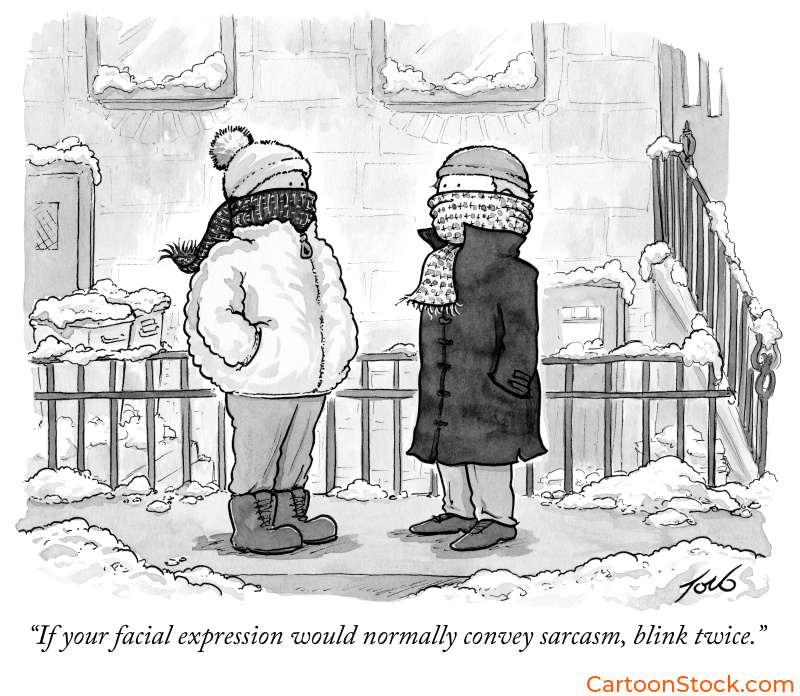
There’s real science behind why humanizing UX with cartoons is so effective. It comes down to how our brains process social cues and emotional information.
Humans are extremely good at reading faces and body language. We do it instinctively, even when those faces appear in simplified illustrations. When you see a cartoon depicting someone smiling, your brain processes that as a positive social signal. When the illustration shows someone looking confused or frustrated, you feel empathy.
This is called emotional contagion, and it’s powerful. Seeing emotions depicted in illustrations triggers similar emotions in ourselves. A cheerful cartoon makes users feel more positive about the interaction. A thoughtful illustration signals that care and consideration went into the design.
There’s also the power of visual metaphor at play. A single-panel cartoon can capture a complex situation or feeling in an instant. Users don’t have to decode paragraphs of text to understand the context. They see it, recognize it, and connect with it immediately.
Humanizing UX with cartoons leverages these psychological mechanisms to create interfaces that feel less like tools and more like companions. The effect is subtle but measurable in engagement, retention, and user satisfaction.
When to Avoid Humanization (Yes, There Are Times)
Just because humanizing UX with cartoons is effective doesn’t mean it belongs everywhere. Knowing when to pull back is just as important as knowing when to lean in.
High-stakes decision moments. When users are confirming purchases, deleting data, or making irreversible choices, clarity and seriousness matter more than warmth. A cartoon here can feel like you’re not taking the decision seriously enough.
Security and privacy contexts. Authentication screens, password resets, and privacy settings need to feel secure and trustworthy. While you can use cartoons in these areas, they should be minimal and professional. Anything too playful undermines confidence.
Legal or compliance content. Terms of service, legal disclaimers, and regulatory information should be straightforward. Cartoons in these contexts can make important information seem less important or create the impression that you’re trying to distract from what users should actually read.
When it conflicts with brand identity. If your brand is formal, technical, or traditionally professional, cartoons might feel jarring. Humanizing UX with cartoons works best when it aligns with your overall brand voice and user expectations.
The goal isn’t to cartoon everything. It’s to strategically use illustrations in moments where human connection enhances the experience without undermining trust or clarity.
The Long-Term Impact: Building Relationships, Not Just Interfaces
Here’s what most teams miss about humanizing UX with cartoons: the impact compounds over time.
When users consistently encounter friendly, helpful cartoons throughout their journey, they develop an emotional relationship with your product. They’re not just using software anymore. They’re interacting with something that feels alive and responsive to their needs.
This emotional connection translates into measurable business outcomes. Users who feel positively toward a product are more forgiving of bugs, more likely to explore new features, and far more likely to recommend it to others. They become advocates, not just customers.
Humanizing UX with cartoons also differentiates your product in crowded markets. When competitors offer similar features and pricing, the emotional experience becomes the tiebreaker. Users choose the product that made them feel something.
The investment in thoughtful, well-placed cartoons pays dividends in retention, word-of-mouth growth, and brand loyalty. You’re not just improving individual interactions. You’re building a relationship that lasts.
Keep Reading
Ready to see how cartoons guide users through their first moments with your product?
Read: How Cartoons Enhance User Onboarding & First-Time Experiences
Q&A: Common Questions About Humanizing UX with Cartoons
Q: What is emotional UX design?
Emotional UX design focuses on how interfaces make users feel, not just how they function. It recognizes that positive emotions drive engagement, trust, and loyalty. Humanizing UX with cartoons is one tool for creating these emotional connections.
Q: Do cartoons actually improve user trust?
Yes, when used appropriately. Cartoons make interfaces feel more approachable and less intimidating. They signal that real people built the product and care about user experience. This perception builds trust over time, especially when cartoons consistently appear in helpful, supportive contexts. CartoonStock.com is the worlds largest cartoon database, with over 750,000 images to choose from you’re guaranteed to find the one you need.
Q: Are cartoons professional enough for business software?
Absolutely. The key is execution, not the medium itself. Professional, well-designed cartoons work perfectly in B2B environments. They humanize complex tools without undermining credibility. Think Slack, Mailchimp, or Asana—all successful business tools that use illustrations effectively.
Q: Can cartoons make an interface feel less serious when it needs to be?
Yes, if misused. That’s why context matters. Humanizing UX with cartoons works best in supportive, educational, or celebratory moments. In high-stakes or security-focused contexts, cartoons should be minimal or absent entirely.
Q: How do you measure if cartoons are successfully humanizing your UX?
Look at engagement metrics, completion rates, and qualitative feedback. Are users spending more time with features that include cartoons? Are they completing flows more often? Do support tickets decrease in areas where cartoons provide guidance? Positive shifts in these areas indicate that humanizing UX with cartoons is working.