

Part of our History & Art of Cartoons guide
Cartooning has always been a hands-on craft—but over the past few decades, the artist’s toolbox has dramatically changed. What once involved pens, brushes, and stacks of bristol board now often takes place entirely on a screen. The shift from hand-drawn to digital cartoons hasn’t just affected how cartoons look—it’s revolutionized how they’re created, shared, and even conceptualized.
This transformation didn’t happen overnight. It’s the result of decades of innovation, experimentation, and adaptation. Here’s how we got from ink-stained fingers to styluses and screens.
The Era of the Pen: Drawing by Hand
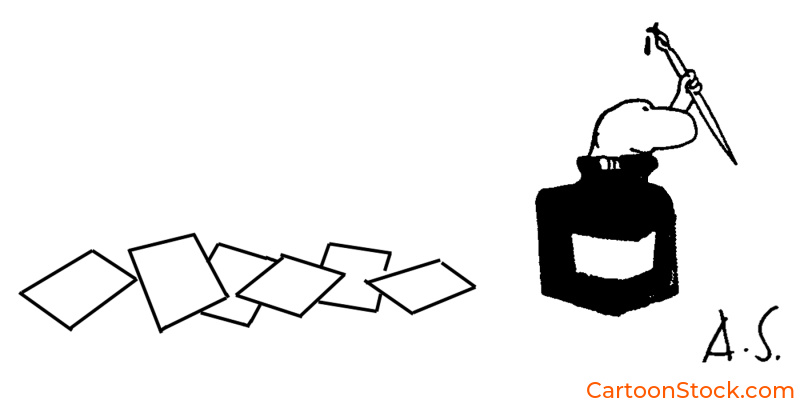
For most of cartoon history, everything was done by hand. Artists sketched with pencils, inked with nib pens or brushes, and often worked at twice the intended print size to preserve detail. Mistakes meant erasing—or, more likely, starting over.
Cartoonists mastered techniques like crosshatching, shading, and texture—all painstakingly done by hand, especially in formats like single-panel cartoons that relied on precision and brevity.
-
India ink and dip pens
-
Non-photo blue pencils for layout
-
Lightboxes for inking over pencils
-
Correction fluid for whiteout (used sparingly… and usually regretfully)
Each cartoon was a physical object, and getting it into print required scanning or photographing the art, then prepping it for reproduction. It was tactile, slow, and deeply personal.
The First Digital Tools: Scanning and Editing
The 1990s and early 2000s introduced cartoonists to digital tools—but many still drew by hand. The typical process looked like this:
-
Sketch and ink on paper
-
Scan into the computer
-
Clean up lines and add color in Photoshop or Illustrator
-
Save as digital file for publishing
This hybrid method allowed for faster revisions, digital archiving, and easier distribution. It was also a stepping stone—one that made many artists comfortable with a gradual shift to digital without abandoning their traditional skills.
Tablets and Styluses: Drawing Direct to Screen
The real turning point came with drawing tablets. Wacom was the early leader, and later iPads and Microsoft Surface tablets brought portable, affordable drawing tools to a wider audience.
Now, artists could sketch, ink, and color directly on-screen—no scanning required. Apps like:
-
Procreate
-
Clip Studio Paint
-
Photoshop
-
Affinity Designer
offered brush tools that mimicked real pens and pencils, while also giving artists access to layers, undo buttons, and digital effects.
The workflow changed. Mistakes were reversible. Revisions were fast. And suddenly, cartoonists could produce polished work on a plane, in a coffee shop, or at 2 a.m. without a single ink spill.
From Originals to Pixels: The Pros and Cons
🖋️ Hand-Drawn Advantages:
-
Tangibility—originals can be sold, archived, or displayed
-
Unique line quality and texture
-
Slows the artist down in ways that can be creatively helpful
💻 Digital Advantages:
-
Speed and efficiency
-
Unlimited undo, layers, and editing tools
-
Easy to publish, share, and repurpose
The Trade-Off?
Some argue that digital tools can make art feel less “human” or over-polished. Others say it frees cartoonists to focus on ideas, not cleanup. Most artists today fall somewhere in between—mixing traditional sketching with digital finishing, or using hand-drawn elements inside digital environments.
AI, Vectorization, and the Future of the Craft
More recently, AI-assisted tools and vector-based workflows (like those in Adobe Illustrator or Inkscape) have added new wrinkles to the cartooning process. Artists can now:
-
Automatically vectorize hand-drawn scans
-
Generate textures or backgrounds with a few clicks
-
Use machine learning to smooth lines or replicate styles
While some worry this undermines originality, others embrace it as just another step in the ongoing evolution from hand-drawn to digital cartoons, where new tools expand—not replace—the creative toolkit.
The Blended Workflow: Today’s Norm
The majority of cartoonists now use a hybrid process. They may:
-
Thumbnail ideas on paper
-
Digitally ink and color on a tablet
-
Export different versions for print, web, and social
-
Archive everything in the cloud
Even cartoonists known for their analog charm often incorporate digital steps, especially for delivery and licensing. The creative core remains—just with more flexibility, fewer barriers, and a faster path from concept to audience.
Q: Do cartoonists still draw by hand?
A: Many do! While digital tools are more common today, lots of cartoonists still sketch or ink on paper before moving into digital platforms for coloring and publishing. Some stick entirely with analog tools. The evolution from hand-drawn to digital cartoons hasn’t replaced traditional methods—it’s expanded the range of creative possibilities.
Keep Reading
Want to see how this shift impacted cartoon styles? Explore The Evolution of Cartoon Art: How Styles Have Changed Over Time